

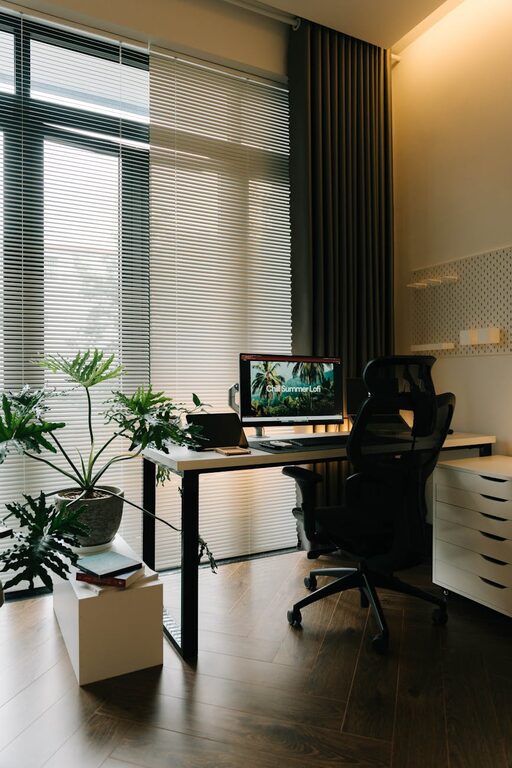
Creating a relaxing home office environment is essential for staying focused, reducing stress, and maintaining a healthy balance between work and personal life. Since many of us spend hours working from home, having a calm and comfortable space can make a significant difference in productivity and well-being. Here are some helpful tips to design a home office that promotes relaxation and efficiency.
Choose the Right Location
Selecting the right spot for your home office is the first step. Ideally, pick a quiet area away from distractions such as noisy appliances or heavy foot traffic. If possible, choose a room with natural light; exposure to daylight boosts mood and alertness.
If you have limited space, consider using a corner of a less-used room or a nook near a window. The important thing is to separate your workspace from areas associated with leisure or rest to help your brain switch into work mode.
Invest in Comfortable Furniture
Comfort is key to creating a relaxing environment. Start with an ergonomic chair that supports your back and promotes good posture. A desk at the right height reduces strain on your wrists and shoulders.
Add cushions or adjustable accessories if necessary. Standing desks or convertible options can help you alternate between sitting and standing, which may prevent stiffness and increase comfort over long periods.
Use Soothing Colors and Décor
Colors can influence mood and productivity. Soft, cool tones like light blues, greens, or neutrals are calming and can reduce anxiety. Avoid overly bright or harsh colors that might feel stimulating or distracting.
Decorate your space with items that inspire calm and positivity. Plants, artwork, or meaningful photos can add warmth without cluttering. Keep décor minimal to maintain a distraction-free environment.
Control Lighting to Reduce Eye Strain
Proper lighting is essential for comfort and focus. Natural light is best; position your desk near a window if possible. When working after dark, use a combination of overhead and task lighting to prevent shadows and eye strain.
Consider adjustable lamps that provide direct light for reading or close work. Avoid harsh fluorescent lights and glare by using curtains or blinds to manage daylight.
Keep Your Workspace Organized
A cluttered desk can lead to stress and decreased productivity. Use organizers, shelves, and drawers to store documents and supplies neatly. Clear your workspace at the end of each day to start fresh the next morning.
Label storage containers and create dedicated zones for different tasks or tools. Keeping only essential items on your desk helps maintain focus and a sense of calm.
Incorporate Calming Elements
Adding elements that promote relaxation can help reduce stress throughout the workday. Aromatherapy with essential oils like lavender or eucalyptus may create a soothing atmosphere—just use a small diffuser to avoid overpowering scents.
Play soft background music or nature sounds if that helps you concentrate. Some people find that a small tabletop fountain with gentle water sounds can be calming.
Maintain Good Air Quality and Temperature
Fresh air and a comfortable temperature improve comfort and health. Open windows when possible to circulate air. Use a fan, air purifier, or humidifier depending on your climate and environment.
Keep your room at a moderate temperature; too hot or too cold conditions might distract you and lower productivity. Dress comfortably according to the season to stay relaxed.
Take Regular Breaks and Move
Even with a relaxing setup, prolonged sitting can cause tension. Schedule short breaks every hour to stretch, walk, or do some light exercises. This not only refreshes your mind but also supports physical health.
Consider using reminders or apps to prompt you to take breaks. Standing or walking meetings, if suitable, can also add movement into your day.
Personalize Your Space Mindfully
Your home office should reflect your personality, but keep personalization balanced to avoid clutter. Choose a few meaningful items that motivate or comfort you, such as a favorite mug, a small sculpture, or a framed quote.
Avoid overcrowding your workspace with too many objects. The goal is to create a peaceful space where you feel inspired and focused.
Establish Boundaries
Finally, creating clear boundaries between work and home life helps maintain relaxation outside of work hours. Define your office zone physically and mentally.
When the workday ends, tidy up and close your office door if you have one. This separation helps you transition out of work mode and enjoy your personal time.
—
By applying these tips, you can create a relaxing home office environment that supports your productivity and well-being. A thoughtful, comfortable space encourages focus, reduces stress, and makes working from home more enjoyable. Remember that small changes can have big effects—start with one or two adjustments and build from there!