

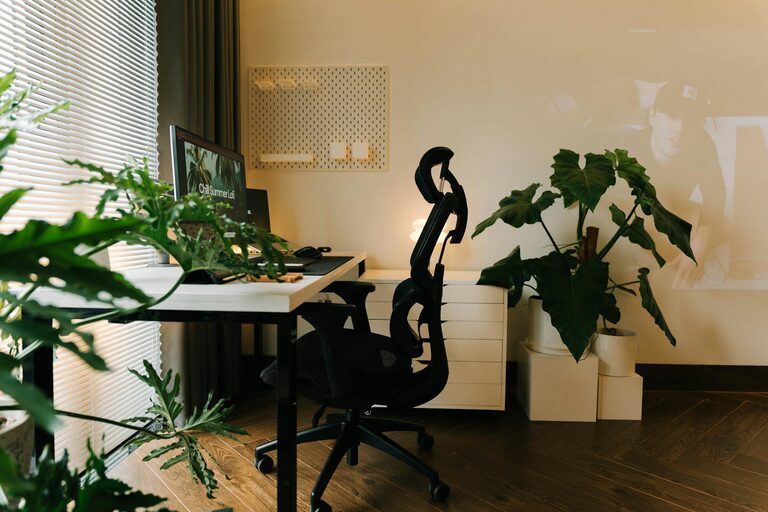
Creating a home office that is both cozy and functional can make a significant difference in your productivity and overall well-being. Whether you’re working full-time from home or occasionally need a dedicated space for projects, designing an office that meets your practical needs while feeling inviting is essential. Here are some helpful tips to get started.
Choose the Right Location
Selecting the ideal spot for your home office is the first step. Consider these factors:
– Natural Light: Position your desk near a window to take advantage of daylight. Natural light can boost your mood and reduce eye strain.
– Minimize Distractions: Find a quiet area away from high-traffic zones to help you focus.
– Room Size: Make sure the space can comfortably hold your desk, chair, and any additional furniture or equipment you need.
If space is limited, consider multifunctional rooms or even a dedicated corner with room dividers for privacy.
Invest in Comfortable and Supportive Furniture
Your comfort is crucial when spending long hours at your desk. Choose ergonomic furniture that supports good posture and reduces strain.
– Ergonomic Chair: Look for adjustable chairs with lumbar support and cushioned seating.
– Desk Height: Your desk should allow your elbows to rest at a 90-degree angle while typing.
– Footrests: If your feet don’t touch the floor comfortably, a footrest can improve circulation.
Adjustable furniture can also add flexibility, allowing you to sit or stand during your workday.
Optimize Your Layout for Functionality
A well-organized workspace saves time and reduces stress.
– Desk Placement: Facing away from distractions may help some people concentrate, while others prefer seeing into the room.
– Storage Solutions: Use shelves, filing cabinets, or drawers to keep your supplies neatly stored but within easy reach.
– Cable Management: Use clips or organizers to keep cords tidy and out of the way.
Leave enough space around you to move freely and avoid clutter buildup.
Personalize Your Space
Adding personal touches creates a warm atmosphere and can inspire creativity.
– Colors: Choose calming hues like soft blues, greens, or neutrals. Accent colors can add vibrancy.
– Decor: Incorporate items like plants, artwork, or photos that make you feel relaxed.
– Lighting: Use a combination of overhead lights and task lamps. Warm, adjustable lighting helps reduce eye fatigue.
Be mindful not to overcrowd your space, as too many items may become distracting.
Use Technology Wisely
The right tech tools will enhance your workflow.
– Reliable Equipment: Ensure your computer, printer, and other devices are dependable.
– High-Speed Internet: A fast connection reduces frustration during video calls or large file transfers.
– Accessories: Consider noise-cancelling headphones, a quality webcam, or an external monitor for multitasking.
Keep technology organized and ensure charging stations are accessible.
Maintain Cleanliness and Organization
A tidy workspace promotes mental clarity.
– Daily Clean-Up: Spend a few minutes at the end of each day tidying.
– Declutter Regularly: Remove unnecessary items to keep your desk streamlined.
– Digital Organization: Manage your files and emails efficiently to avoid digital clutter.
Using labels and designated spots for supplies helps find what you need quickly.
Incorporate Break Areas
Even in a small space, having a dedicated spot to relax can boost productivity.
– Comfortable Seating: A cozy chair or small sofa offers a change of posture.
– Refreshments: Keep a water bottle or small snack station nearby.
– Mindfulness Tools: Some people find soothing music, aromatherapy, or meditation aids helpful.
Taking regular breaks away from your desk supports better focus.
Maximize Small Spaces
If you have limited room, these tips can help:
– Vertical Storage: Use wall-mounted shelves or pegboards.
– Foldable Furniture: Desks or chairs that can be tucked away save space.
– Multipurpose Furniture: Items like storage ottomans serve both as seating and storage.
Keeping your space flexible allows it to serve multiple functions.
Conclusion
Designing a home office that balances coziness and functionality is achievable with thoughtful planning. By prioritizing comfort, organization, and personalization, you can create a welcoming environment that encourages productivity and well-being. Remember, your workspace should reflect your needs and style, making it a place you enjoy spending time in every day.